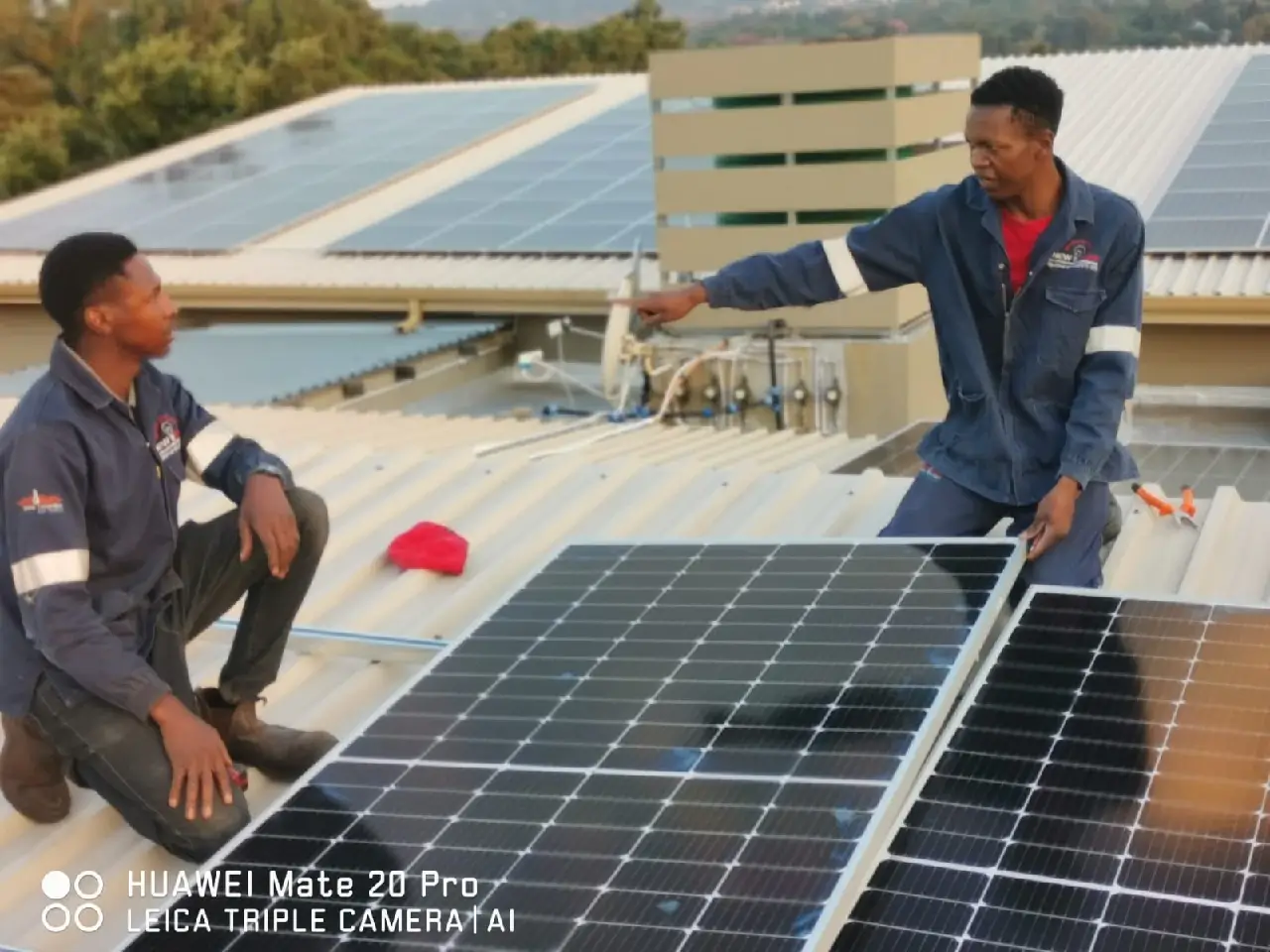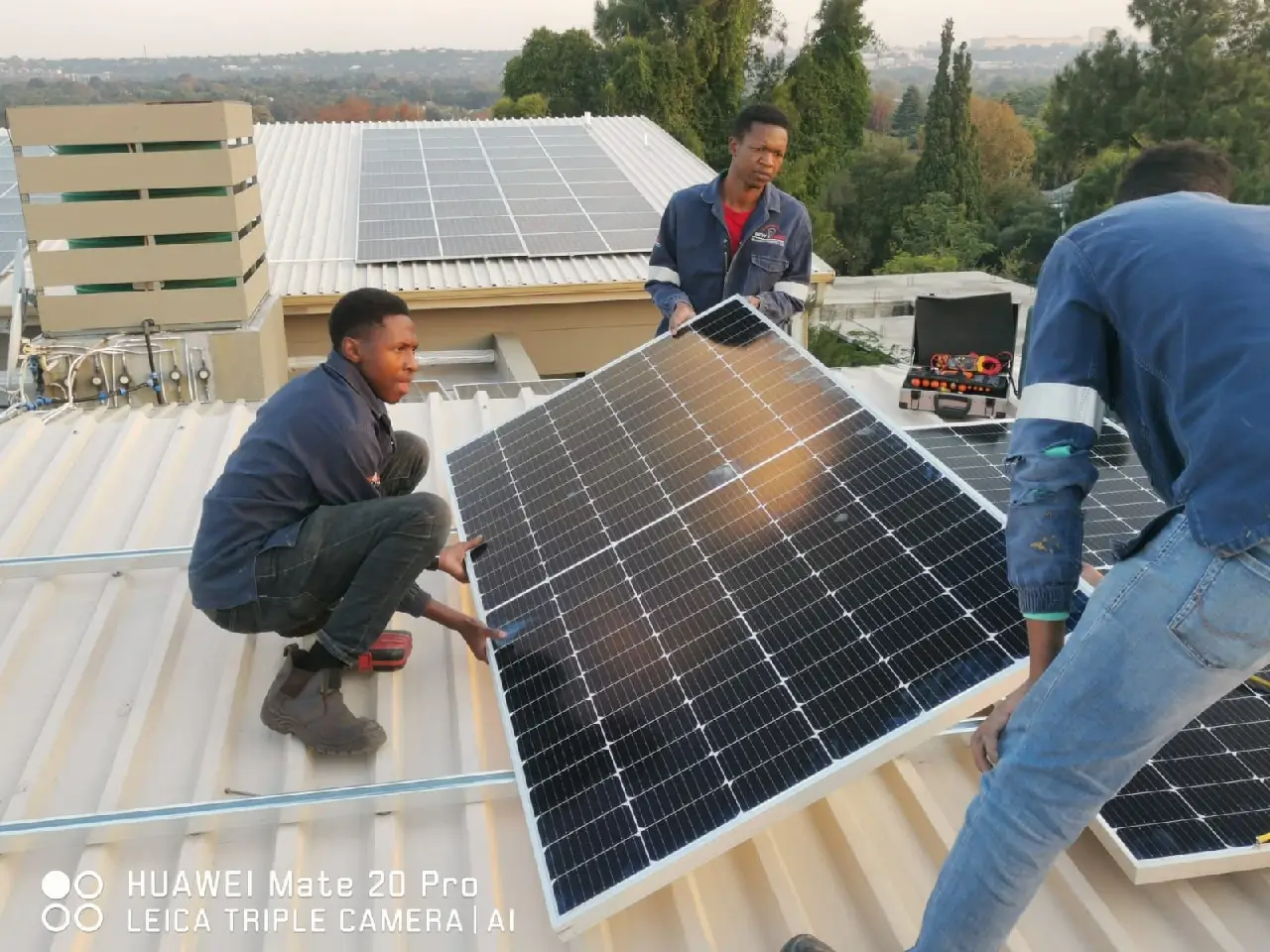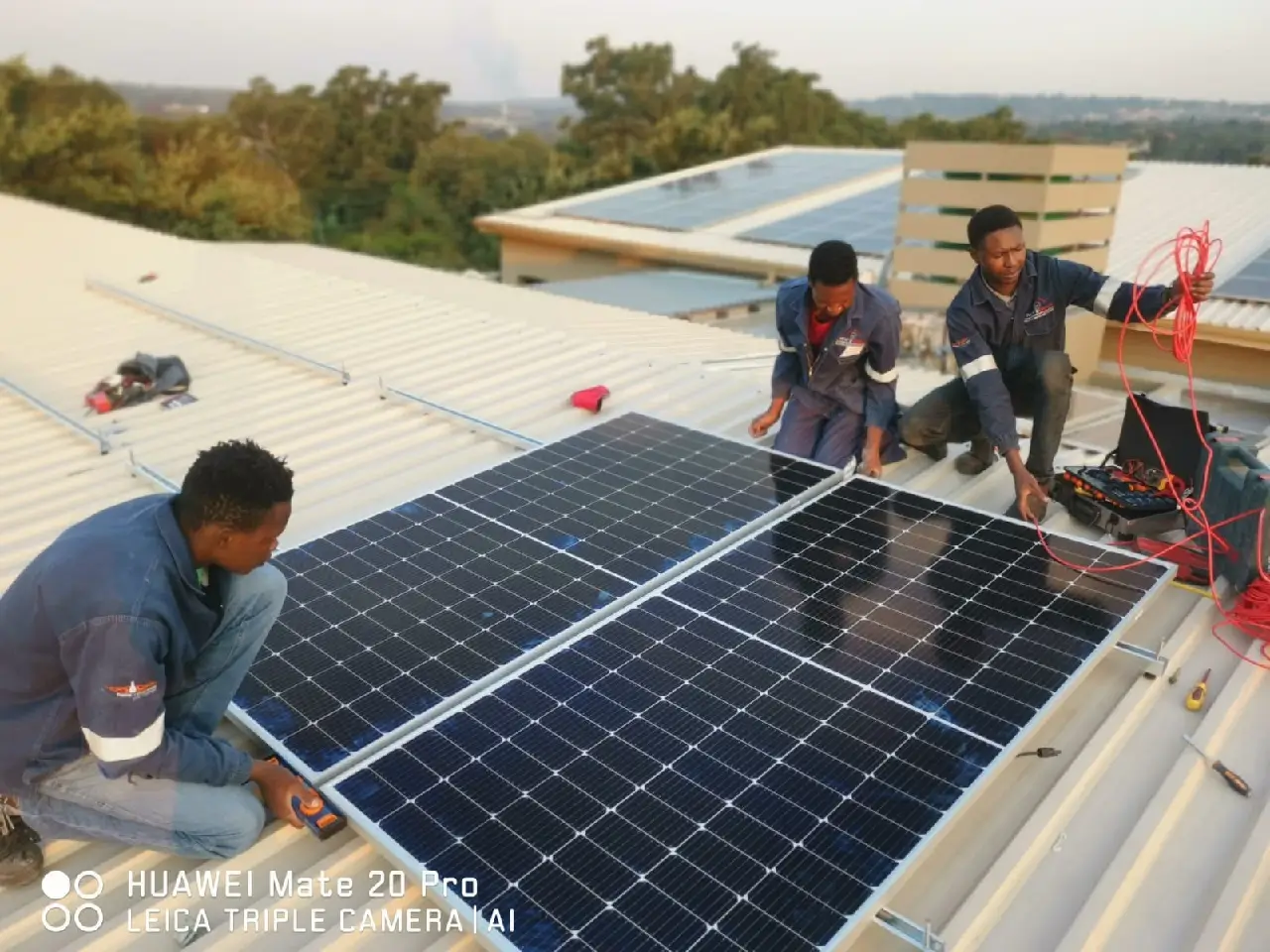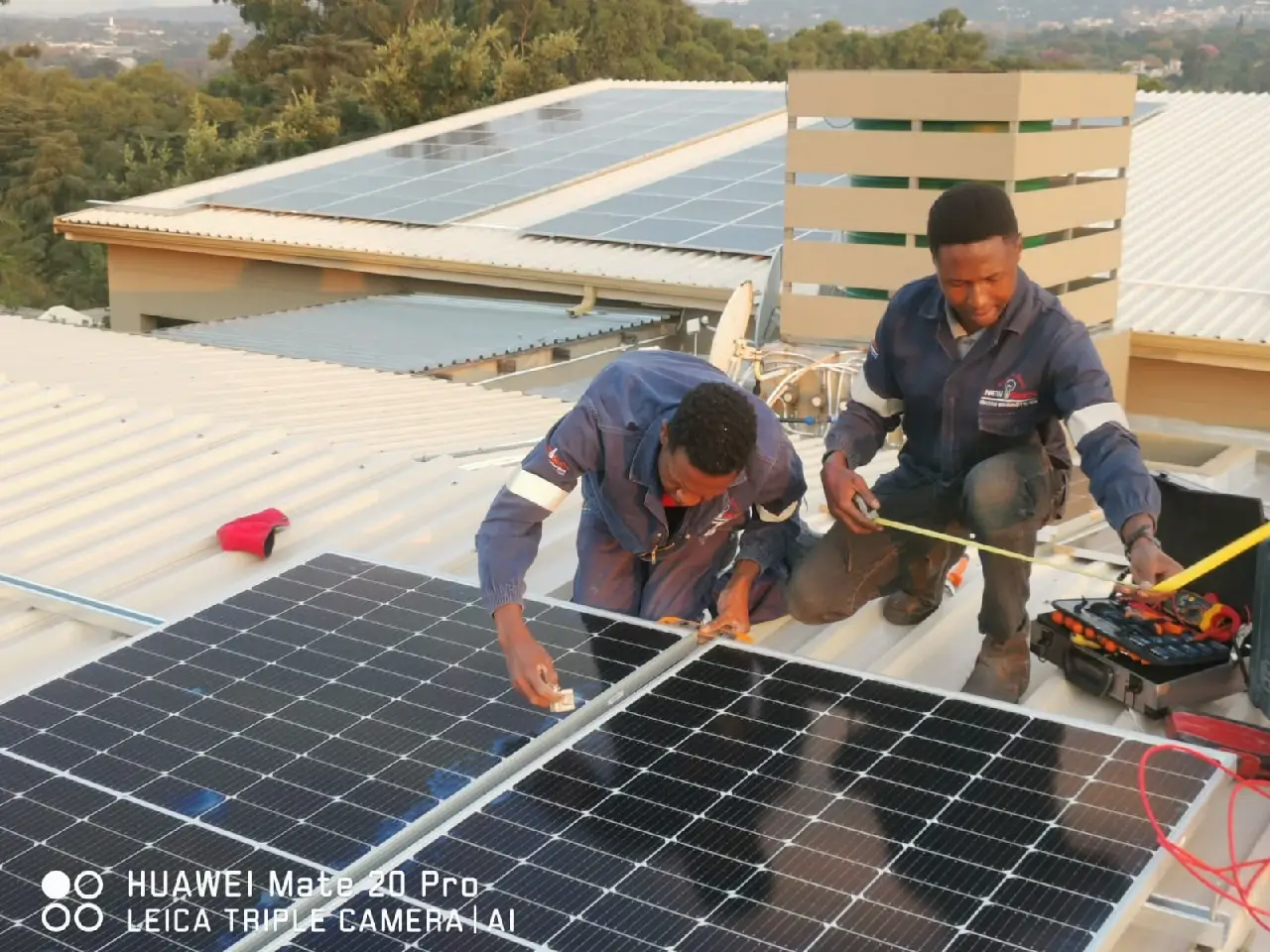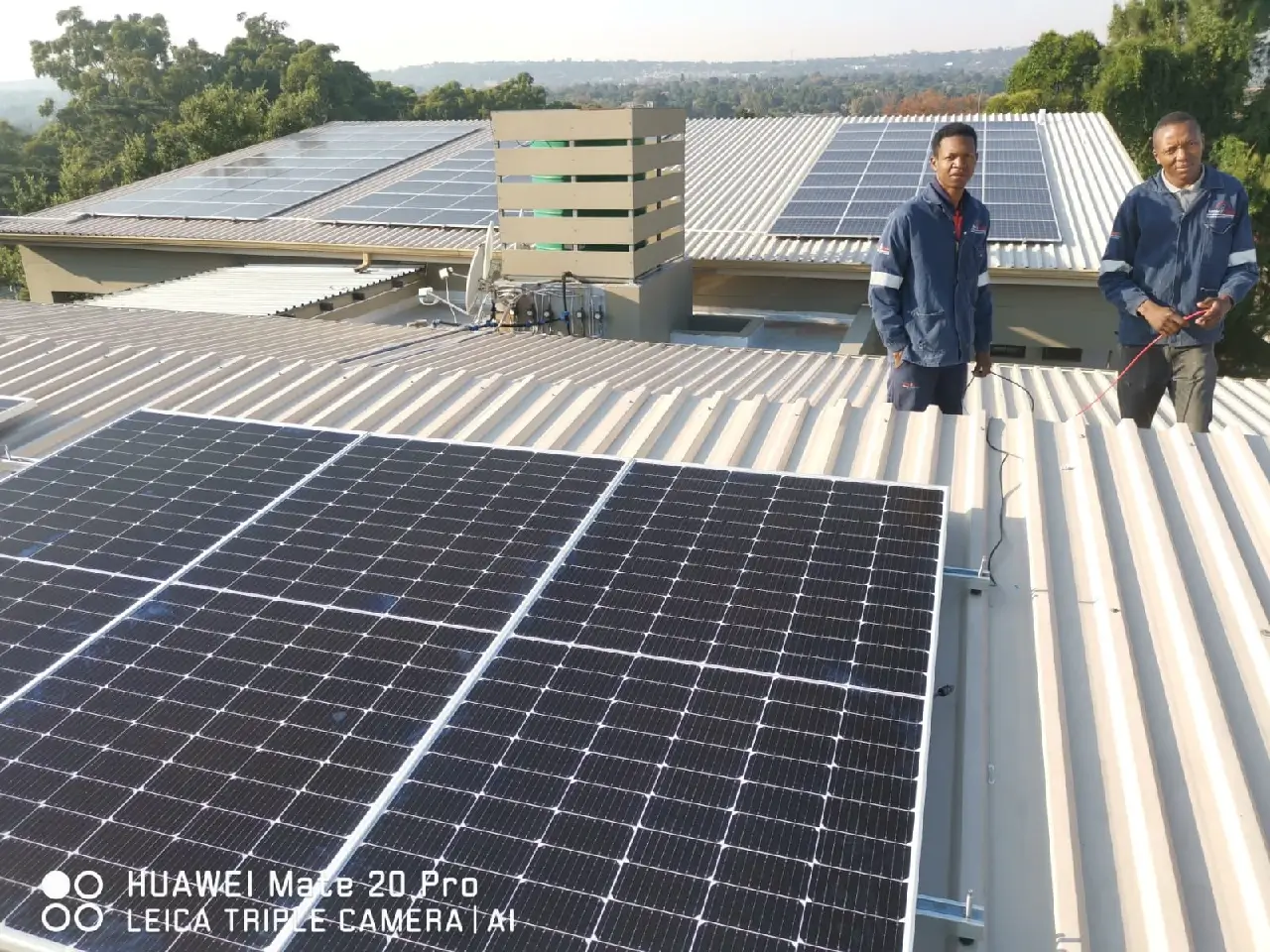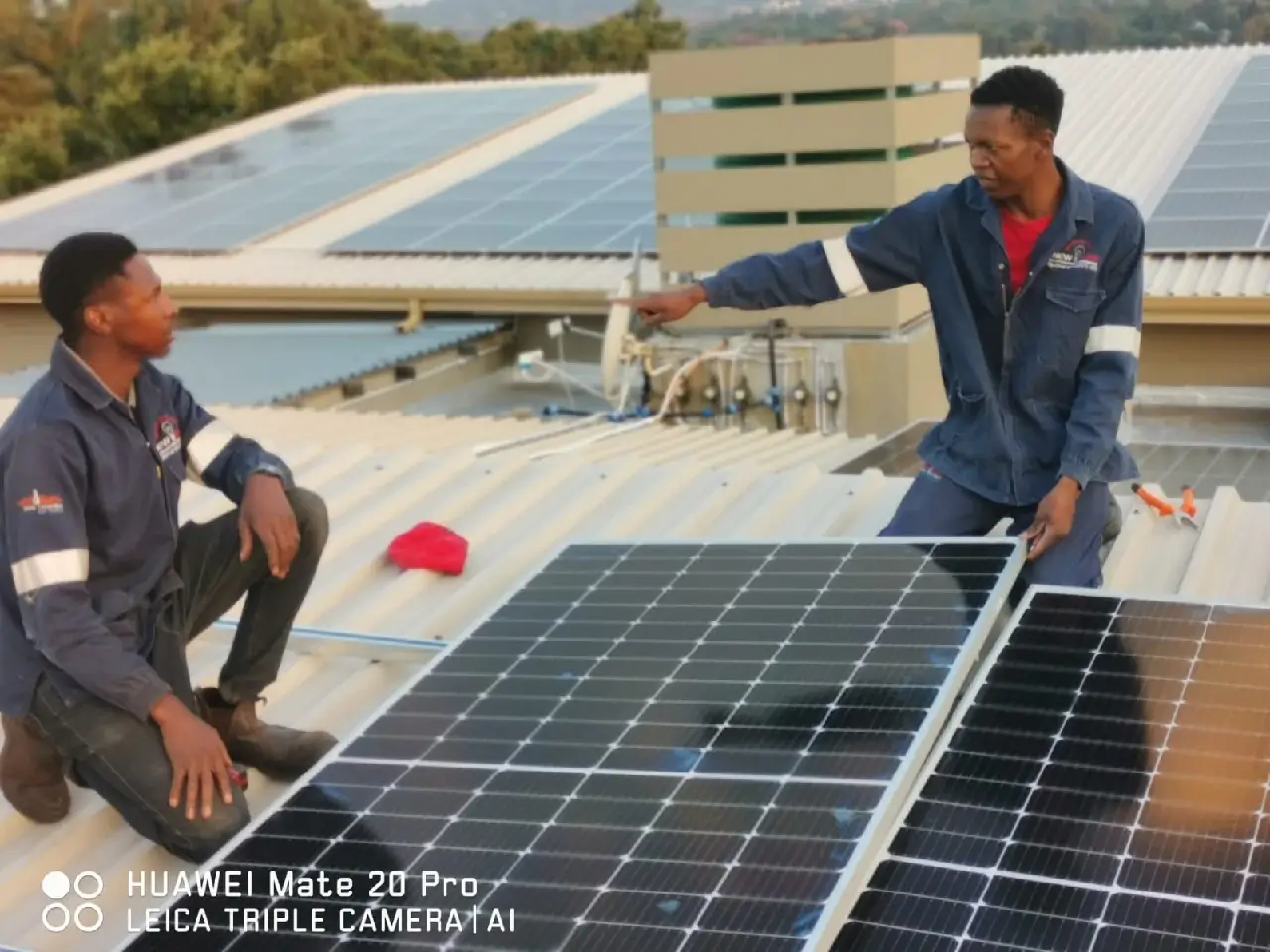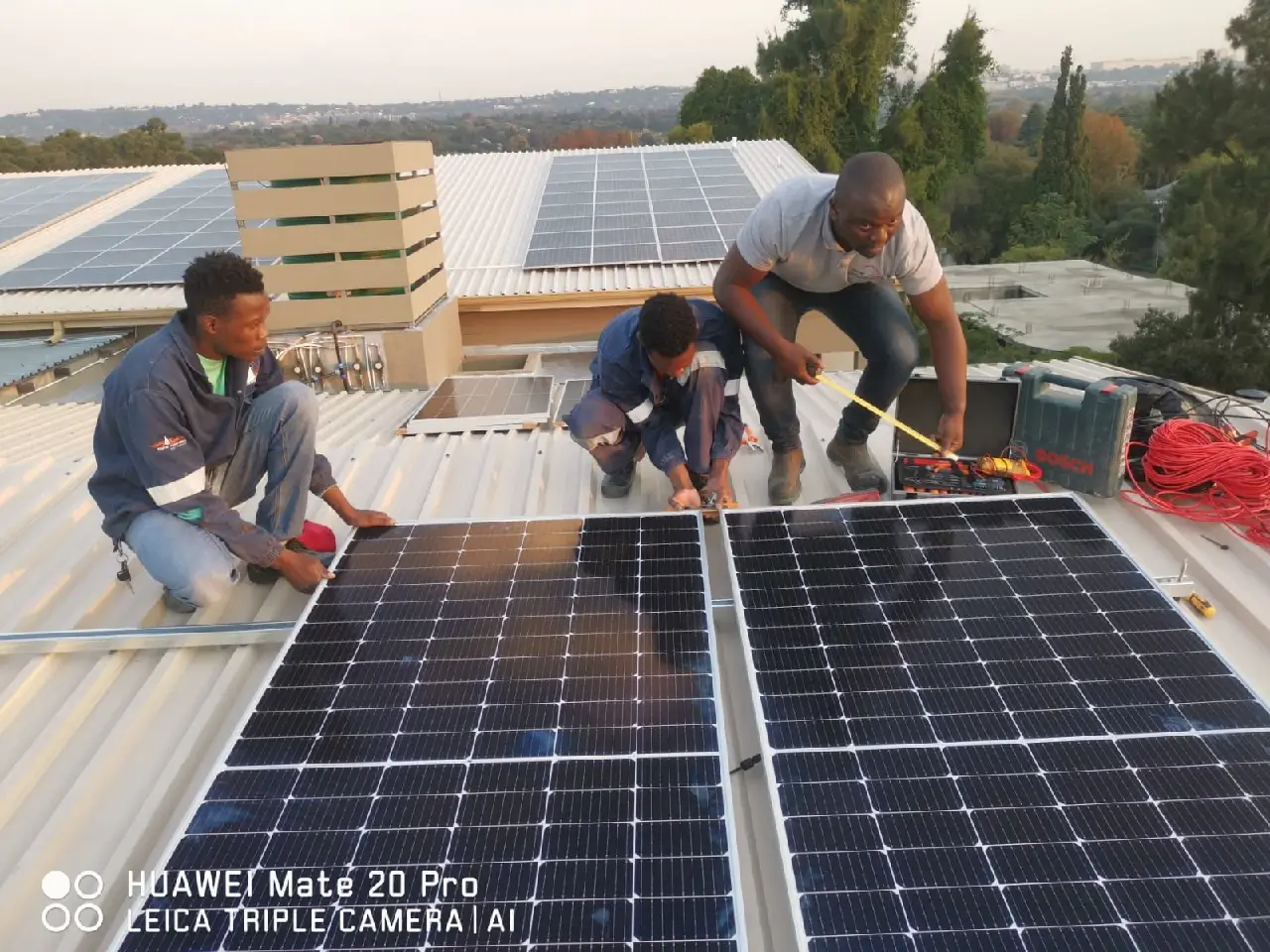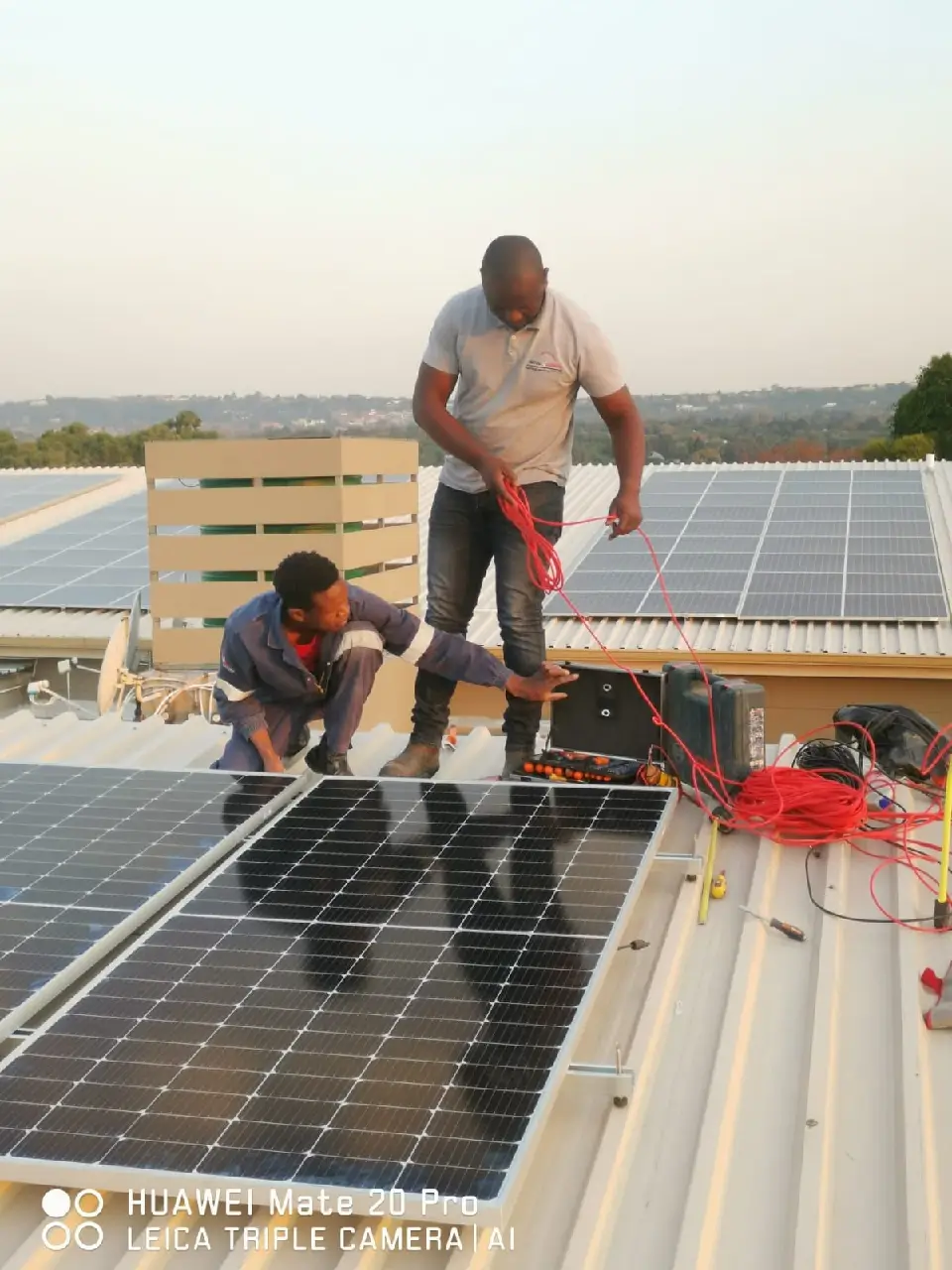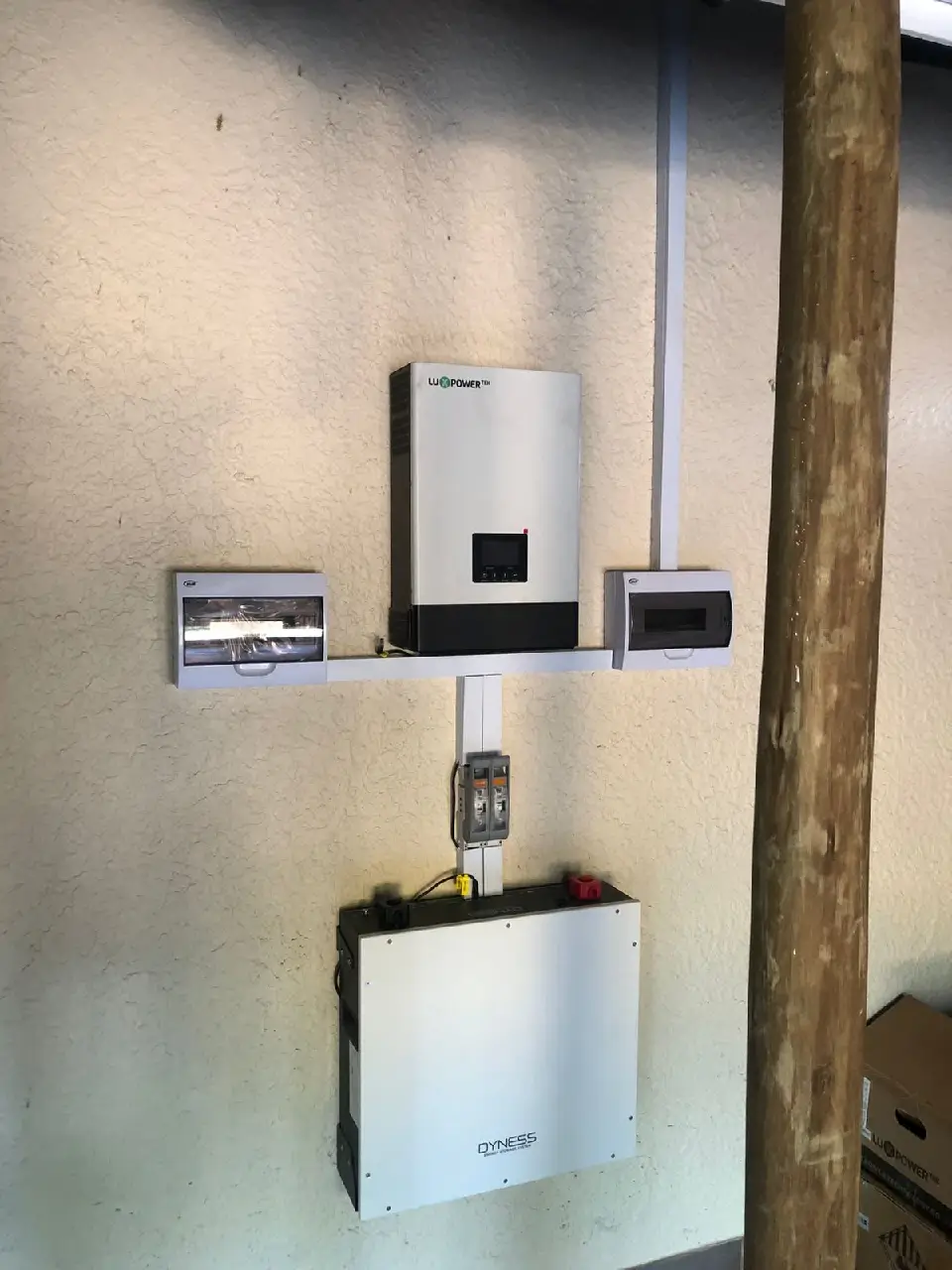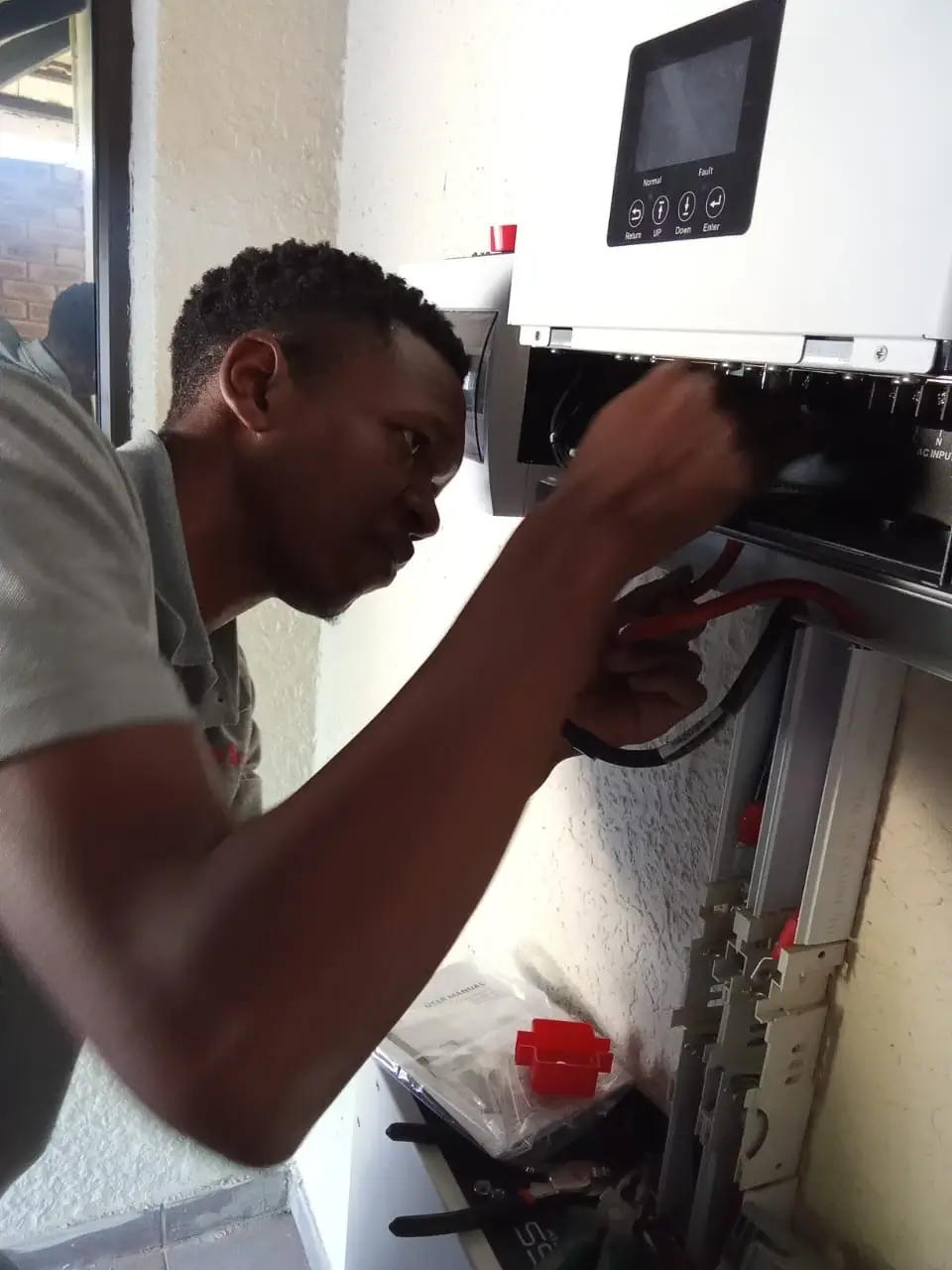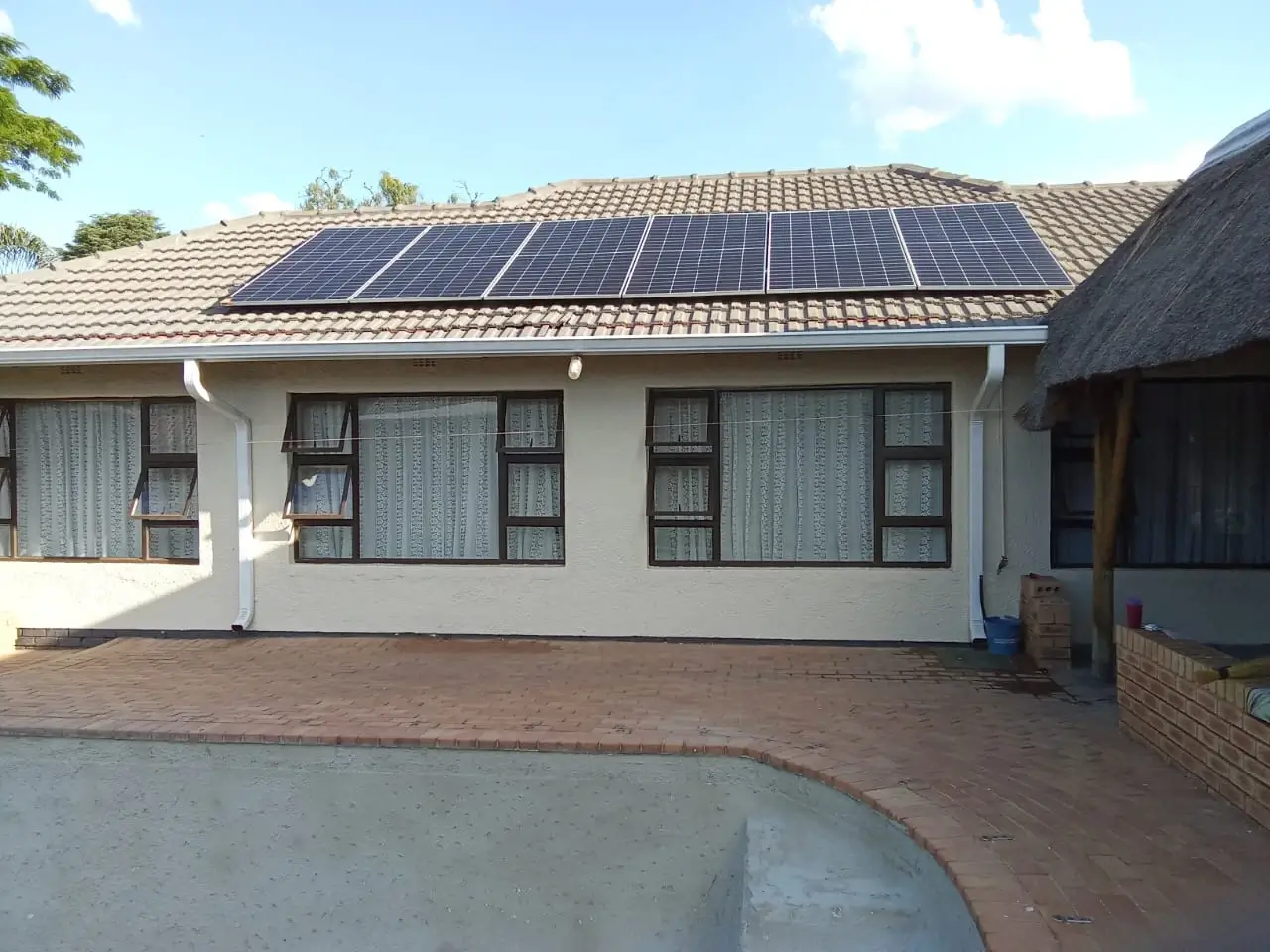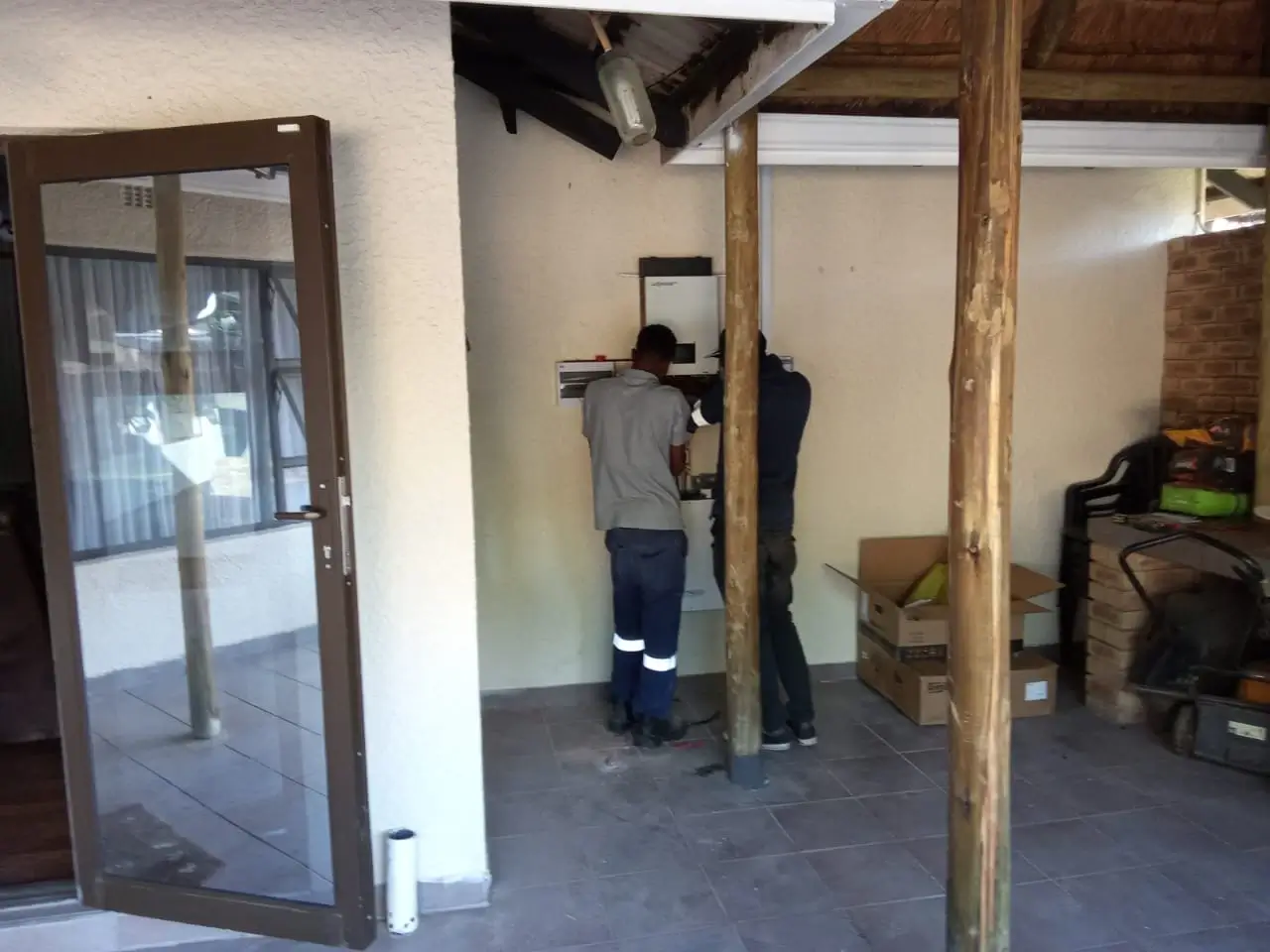
PROFESSIONAL SOLAR GEYSER INSTALLATION SERVICE AVAILABLE NOW
Are you tired of load shedding or looking to upgrade your current hot water system? Look no further! Our professional Solar Geyser installation services guarantee hot water on demand, regardless of power outages. Our experienced technicians specialize in efficient and reliable installations, ensuring your system functions seamlessly. Whether you need a new installation or replacement, we’ve got you covered. Contact us today to schedule your appointment and experience the convenience of uninterrupted hot water!
PROFESSIONAL SOLAR GEYSER INSTALLATION SERVICE AVAILABLE NOW
Are you tired of load shedding or looking to upgrade your current hot water system? Look no further! Our professional Solar Geyser installation services guarantee hot water on demand, regardless of power outages. Our experienced technicians specialize in efficient and reliable installations, ensuring your system functions seamlessly. Whether you need a new installation or replacement, we’ve got you covered. Contact us today to schedule your appointment and experience the convenience of uninterrupted hot water!
Residential | Commercial | Solar Lights | Solar Water Heater
Qualifications & Certificates

Active Solar Water Heating systems
There are two types of active solar water heating systems:
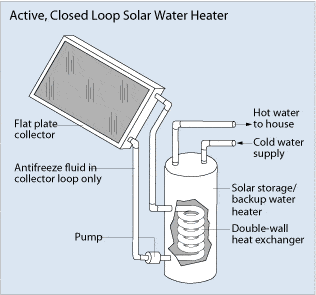
Direct circulation systems
Pumps circulate household water through the collectors and into the home. They work well in climates where it rarely freezes.
Indirect circulation systems
Pumps circulate a non-freezing, heat-transfer fluid through the collectors and a heat exchanger. This heats the water that then flows into the home. They are popular in climates prone to freezing temperatures.
Passive Solar Heating Systems
Passive solar water heating systems are typically less expensive than active systems, but they’re usually not as efficient. However, passive systems can be more reliable and may last longer. There are two basic types of passive systems:
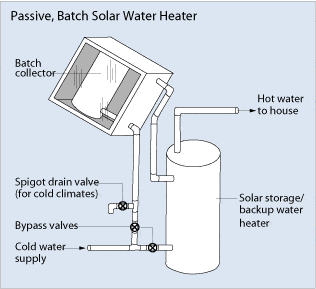
Integral collector-storage passive systems
These consist of a storage tank covered with a transparent material to allow the sun to heat the water. Water from the tank then flows into the plumbing system. These work best in areas where temperatures rarely fall below freezing. They also work well in households with significant daytime and evening hot-water needs.
Thermosyphon systems
Water is heated in a collector on the roof and then flows through the plumbing system when a hot water faucet is opened. The majority of these systems have a 40-gallon capacity.
Storage Tanks and Solar Collectors
Most solar water heaters require a well-insulated tank. Solar storage tanks have additional outlets and inlets that are connected to and from collectors. In a two-tank system, a solar water heater preheats the water before it enters a conventional water heater. In the storage system, the backup heater is combined with the solar storage tank into one storage tank.
Flat-plate collector
Glazed flat-plate collectors are insulated, weatherproofed boxes that contain a dark absorber plate under one or more glass or plastic (polymer) covers. Unglazed flat-plate collectors — typically used for solar pool heating — have a dark absorber plate, made of metal or polymer, without a cover or enclosure.
Integral collector-storage systems
Also known as ICS or batch systems, they feature one or more black tanks or tubes in an insulated, glazed box. Cold water first passes through the solar collector, which preheats the water. The water then continues on to the conventional backup water heater, providing a reliable source of hot water. They should be installed only in mild-freeze climates because the outdoor pipes could freeze in severe, cold weather.
Evacuated-tube solar collectors
They feature parallel rows of transparent glass tubes. Each tube contains a glass outer tube and metal absorber tube attached to a fin. The fin’s coating absorbs solar energy but inhibits radiative heat loss. These collectors are used more frequently for U.S. commercial applications.
Our Process:
1. Energy Evaluation
2. Site Considerations
3. System Customization
4. System Design Checks
5. Permitting Guidance
6. LIFETIME Support
CUSTOMER PROJECTS